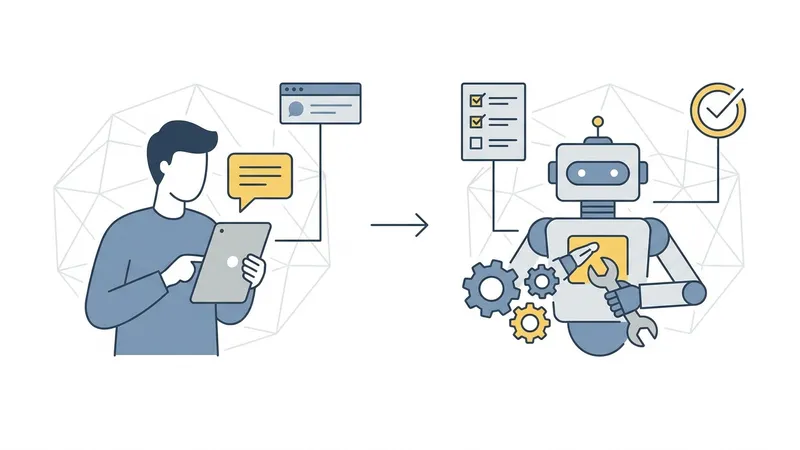
For the past two years, the generative AI boom has been largely confined to text and image output. However, this limitations-bound paradigm is rapidly shifting. A more profound revolution is underway: AI Agents are transitioning from passive conversational chatbots to active, autonomous executors capable of managing complex, multi-step digital workflows.
Leading this agentic wave is Anthropic with its groundbreaking Computer Use capability, which allows its Claude model to move cursors, click buttons, and type text directly across any desktop interface. Concurrently, OpenAI is rumored to be developing its own agent system code-named "Operator", while Microsoft’s Copilot Studio now empowers enterprises to deploy background agents. This collective shift signals the dawning of an active agent era.
While these advancements unlock massive productivity gains in software engineering, customer success, and data entry, they also introduce significant AI security risks. Granting AI models direct control over enterprise environments amplifies concerns regarding accidental execution and cybersecurity. Building robust guardrails is now the industry's most critical objective.
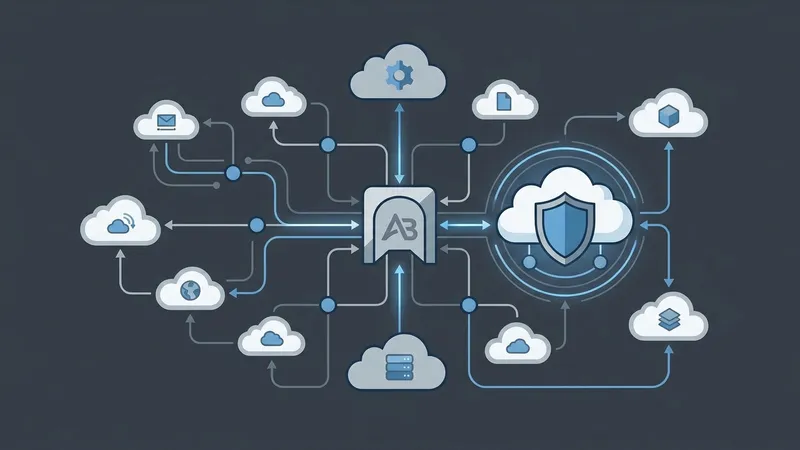
[AgentUpdate Depth Analysis] The evolution towards action-driven AI agents represents a fundamental paradigm shift from cognitive assistance to operational delegation. By transitioning from sandbox-restricted generation to real-world software interaction, systems like #Anthropic's Computer Use are redefining the boundaries of human-computer interaction. When compared to Microsoft’s workflow-centric approach, open agentic frameworks present a more generalized but highly volatile path. The success of this ecosystem will rely heavily on resolving the "action-guarantee" problem—ensuring agents perform complex tasks reliably without human supervision. This transition will ultimately drive the standardization of MCP (Model Context Protocol) and agent-to-agent communication protocols, laying the foundation for a truly autonomous machine economy.