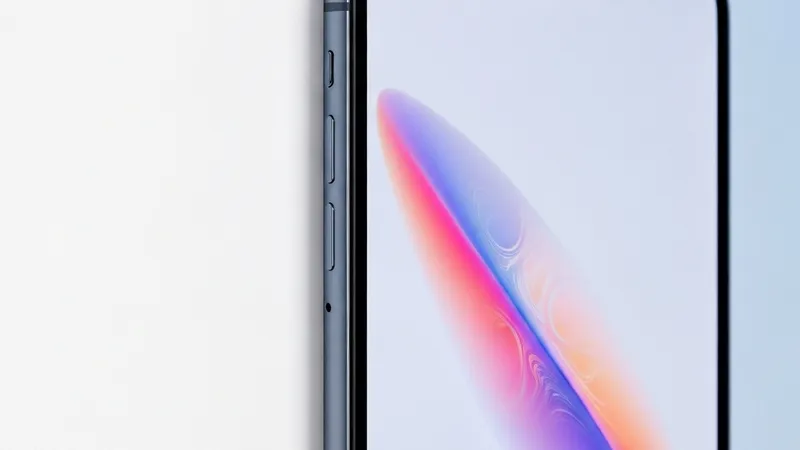
Apple Inc. is quietly preparing for its landmark September launch event. According to sources close to the matter, the spotlight will shine not only on the iterative iPhone 16 series but also on a highly anticipated, major redesign of the Apple Watch to mark its tenth anniversary. #Apple aims to overhaul the wearable's physical architecture, paving the way for next-generation health sensors and seamless on-device interactions.
On the software front, Apple Intelligence will serve as the connective tissue across all new hardware. The upgraded Siri, powered by on-device large language models, will leverage App Intents to perform cross-application actions. This transition effectively elevates the Apple Watch and iPhone from passive notification screens into proactive, context-aware AI Agents capable of executing complex user workflows.
To support these intense on-device computing demands, the upcoming A18 chip is expected to feature a significantly beefed-up Neural Engine (NPU). Unlike cloud-heavy AI frameworks, Apple's approach prioritizes low latency and absolute privacy. By unifying custom silicon, hardware sensors, and local models, Apple is building an incredibly defensive moat in the consumer AI era.
[AgentUpdate Depth Analysis] Apple's deliberate bundling of hardware redesigns with Apple Intelligence signals a pivotal transition for the AI Agent ecosystem: the shift toward mainstream, on-device agent integration. While standalone AI gadgets like the Humane AI Pin struggled to find product-market fit, Apple is taking the pragmatic route by injecting agentic capabilities into highly successful, existing hardware form factors. By empowering #Siri with system-level control via App Intents, Apple is redefining the smartphone OS as an agentic coordinator. This move will undoubtedly accelerate competition from Google's Gemini and Microsoft's Copilot on edge devices. The battleground for AI supremacy is officially shifting from massive cloud parameter counts to local, multimodal, real-time contextual execution.