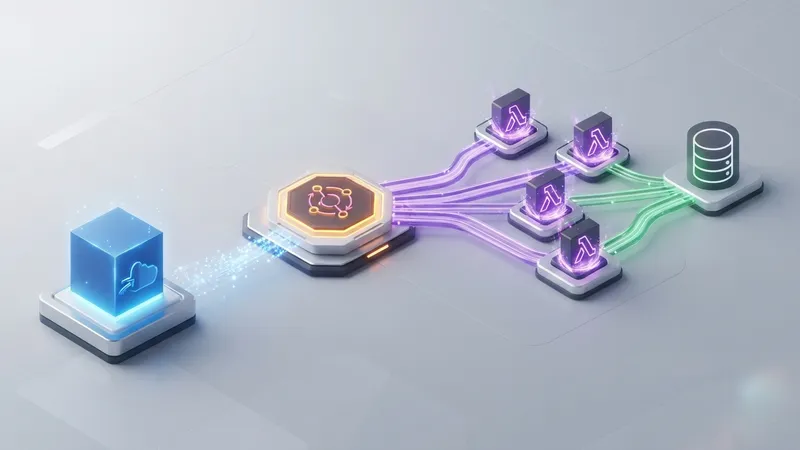
At AWS, we believe AI builders should be able to choose the right model for every task, trust their agents in production, and see clearly what their AI workloads cost. That belief guides our investments. Amazon Bedrock provides access to leading models and tools to build and scale AI applications securely. We extend this with Amazon Bedrock AgentCore, a platform to build, connect, and optimize agents using any model and framework, including Strands, our open-source agent development toolkit. Together, they take you from prototype to production.
As agents move into core business workflows, the bar rises: flexibility to use different models as tasks, budgets, and latency targets change; agents must keep working when a primary model is throttled; they must act within set limits and return output usable by other software; answers must stay grounded in allowed sources; and costs must hold up at high volume. October’s releases address each need.
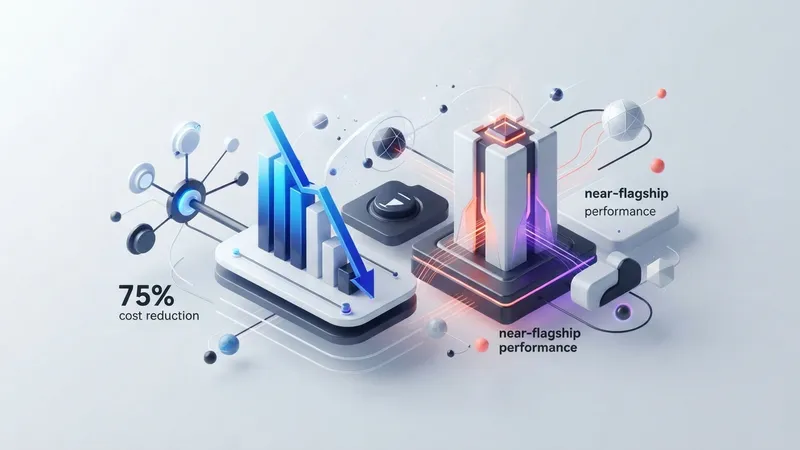
On Amazon Bedrock, Claude Haiku 5.5 is built for subagents and high-volume, cost-sensitive work. According to Anthropic, it is the most capable Haiku yet and costs around 75% less than Claude Haiku 4.5 for most tasks. It is the first Haiku with effort controls, allowing tuning cost against intelligence per task. In multi-agent setups, a model like Claude Opus 5.5 can plan work and hand well-defined coding, tool use, and browser automation tasks to Haiku, making parallel agents affordable.
OpenAI GPT-6.1 Terra is now generally available on Amazon Bedrock. On OpenAI’s Agents’ Last Exam, it performed on par with GPT-6 Astra and completed tasks more than three times faster than GPT-6 Astra and GPT-6.1 Sol. Its token prices are at least 50% lower than GPT-6.1 Sol and GPT-5.6 Terra. It accepts text and images with up to 1 million input tokens, suiting proposal drafting, technical drawing interpretation, and cross-system agents. For latency-sensitive work like real-time coding assistants, GPT-6.1 Sol now offers Ultrafast mode.
Amazon Nova 2.5 Sonic, our latest speech-to-speech model, improves reasoning, instruction following, and tool-calling accuracy with low latency, ideal for real-time voice agents.
[AgentUpdate Depth Analysis] AWS’s October updates mark a shift from “available” to “reliable production” for AI agents. Claude Haiku 5.5’s low cost and effort controls make parallel multi-agent architectures economically viable, echoing the collaborative patterns advocated by frameworks like CrewAI, but AWS reduces orchestration costs at the model layer. GPT-6.1 Terra delivers near-flagship performance at half the price, accelerating agent penetration into business systems, especially for long-context and image-understanding scenarios. #AgentCore and #Strands enhancements fill gaps in observability, throttling handling, and structured output, competing with LangChain’s LangSmith. Long-term, the competitive focus is shifting from raw model capability to integrated “model+platform+toolchain” efficiency. AWS is building a closed-loop agent factory via Bedrock’s model diversity and AgentCore’s runtime control. Reliability and cost predictability will be key adoption thresholds, and AWS’s updates directly address these pain points.