As organizations transition from individual experiments to company-wide adoption of coding agents, leadership must shift focus toward governance: tracking adoption, managing consumption, and ensuring reliability. By leveraging OpenTelemetry (OTel) with Codex on Amazon Bedrock, enterprises can now stream usage metrics directly to Amazon CloudWatch, providing an AWS-native view of agent activity segmented by user, team, or cost center.
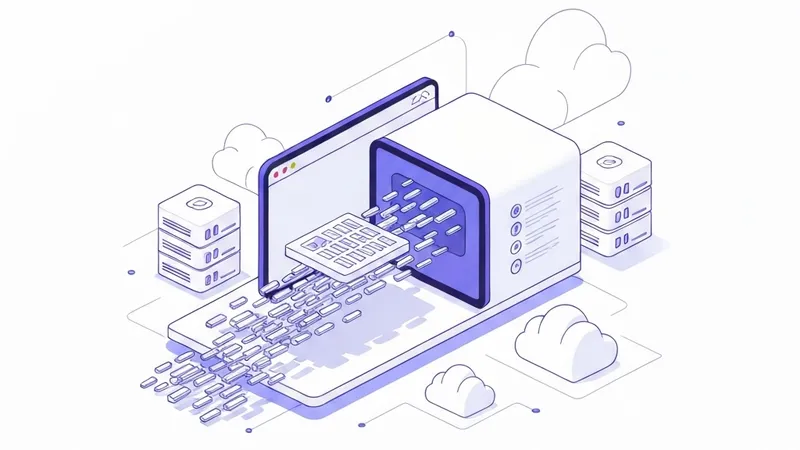
This implementation avoids adding centralized proxies into the request path. Instead, a local OTel collector running on the developer's workstation gathers metrics, enriches them with organizational context, and transmits them using AWS Signature Version 4 (SigV4). This lightweight approach sidesteps the need for complex load balancers or public ingestion endpoints, relying entirely on the robust CloudWatch ecosystem for visualization.
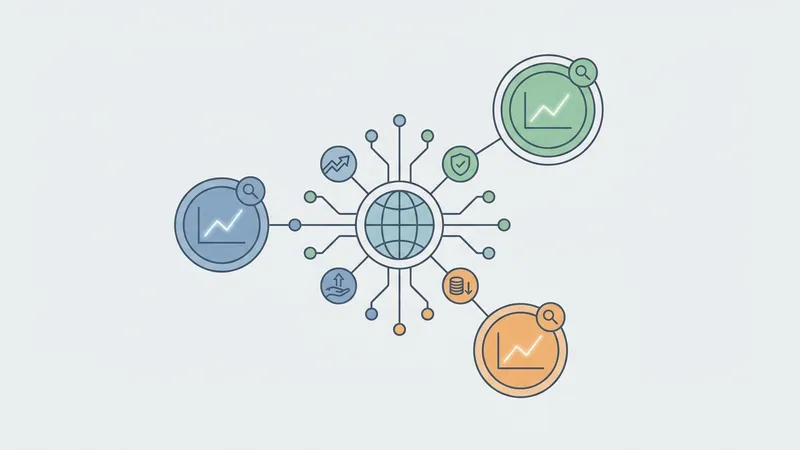
Telemetry becomes valuable when it informs business decisions rather than just filling dashboards. By monitoring Active Users, API Request patterns, Token Usage, and Tool-call frequency, engineering leaders can differentiate between isolated experimentation and genuine workflow integration. This granularity allows for informed decisions regarding enablement, cost allocation, and identifying which teams require specific AI Agent training or process adjustments.
[AgentUpdate Depth Analysis]Integrating observability into the AI Agent stack is the critical bottleneck for enterprise-grade LLM deployment. Unlike third-party SaaS observability tools like LangSmith, this AWS-native pattern leverages CloudWatch to ensure data residency and security, which is often a non-negotiable for large-scale engineering organizations. By implementing OpenTelemetry directly within the development environment, teams move away from reactive troubleshooting to proactive ecosystem management. As we look ahead, the ability to track Tool-use and agentic workflows will become the foundation for evaluating ROI in AI development. This pattern is not just about cost-cutting; it is about visibility into how developers interact with autonomous systems. For the broader AI Agent ecosystem, this standardization of observability signals is a vital step toward creating reliable, scalable, and audit-ready intelligence pipelines, effectively turning development environments into measurable data-driven assets.