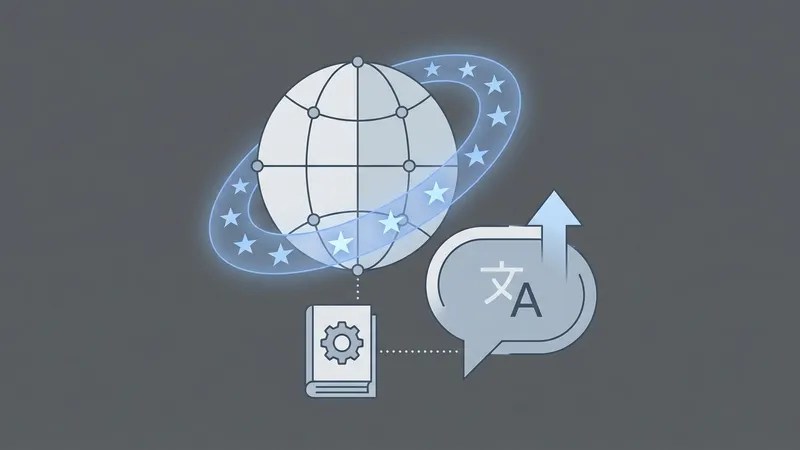
According to reports, European Union regulators are preparing to bring OpenAI's ChatGPT under the scope of its strict online safety regime. The European Commission is currently assessing whether the popular AI chatbot meets the user threshold to be designated as a Very Large Online Platform (#VLOP).
Under the EU's Digital Services Act (#DSA), services with more than 45 million monthly active users in the bloc are classified as VLOPs. This designation triggers stringent obligations, including annual systemic risk assessments, independent external audits, data sharing with researchers, and proactive measures to tackle misinformation and harmful content.
Non-compliance with the DSA can result in fines of up to 6% of a company's global annual turnover. The move represents the first major attempt by regulators to apply the tough rules designed for social media giants like Meta and Google directly to generative AI services, signaling a major shift in how AI safety is governed globally.
[AgentUpdate Depth Analysis] The EU's potential classification of #ChatGPT as a VLOP marks a watershed moment for the AI Agent ecosystem. By subjecting foundational LLMs to the same regulatory scrutiny as social networks, the compliance burden on developers will inevitably surge. For AI Agents that rely on these models for autonomous planning, web searching, and tool execution, this could lead to restricted API features or slower deployment cycles as providers implement stricter guardrails to prevent misinformation. However, this regulatory pressure will also catalyze the growth of trust-and-safety AI tools. We expect to see a rise in specialized "Compliance Agents" designed to monitor, audit, and secure Agentic workflows, making regulatory resilience a core competitive advantage in the future enterprise AI market.