For the better part of three years, speculative decoding has been one of those techniques that felt "almost ready for production." In theory, a small draft model proposes tokens, and a larger target model verifies them in a single forward pass, yielding a 2–4× throughput boost. In practice, training and maintaining a cheap, fast draft model that closely mimics the target model's distribution has proven to be an engineering nightmare.
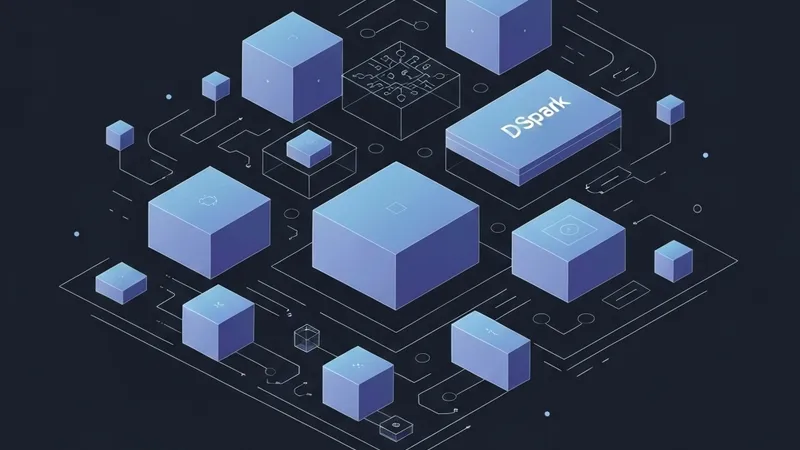
Recently, a new paper from DeepSeek quietly climbed to the top of Hacker News. Named DSpark, this research reframes speculative decoding in a way that could finally turn the technique into a drop-in feature rather than a complex, bolt-on workaround.
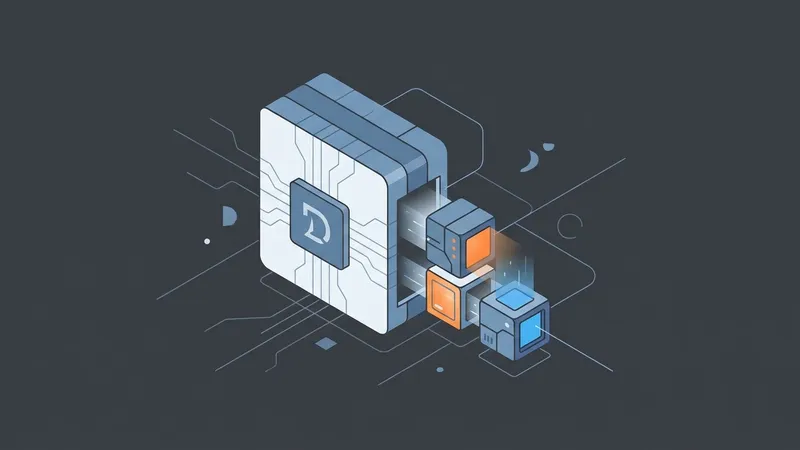
Instead of training a separate, smaller draft model from scratch, DSpark grafts the speculative head directly onto the target model. The intuition is elegant: if the target model already knows which tokens are likely to follow, why not reuse its own intermediate representations rather than maintaining a parallel network? This approach eliminates layer duplication and the operational overhead of managing two distinct models. In #DeepSeek's experiments, this technique was applied on top of Step and Qwen 3.6, which are already MTP-capable.
As discussed by developers, #DSpark is highly complementary to Multi-Token Prediction (MTP), rather than a replacement. MTP—where a model predicts several future tokens using auxiliary heads—already delivers 50–100% speedups on hardware like the NVIDIA DGX Spark. DSpark adds another optimization layer on top: even with MTP, the validation step remains a single forward pass through the main model, and accepted speculative tokens come essentially "for free." Crucially, because it is speculative decoding, the output distribution remains completely identical to the target model, making it a "lossless" acceleration method perfect for coding assistants and structured-output workflows where correctness is absolute.
Furthermore, hardware improvements are making DSpark viable now. Speculative decoding's draft-model overhead has traditionally been memory-bandwidth-bound. On NVIDIA H100 and newer DGX Spark nodes, these bandwidth bottlenecks are significantly mitigated, making the engineering trade-offs highly favorable.
[AgentUpdate Depth Analysis] DSpark represents a paradigm shift in LLM acceleration, moving from external pipeline hacking to native architectural integration. For the AI Agent ecosystem, latency is the ultimate bottleneck preventing multi-step reasoning, real-time tool use, and complex reflection loops from feeling truly interactive. Agents performing structured data extraction or code generation cannot tolerate the "token drift" common in lossy compression or quantization techniques. By offering a completely lossless speedup, DSpark ensures that complex agentic workflows remain perfectly accurate while running multiple times faster. This cost and latency reduction will lower the barriers for deploying real-time, multi-agent cooperative systems, potentially making shared-head speculative architectures a standard blueprint for future Agent-native foundational models.