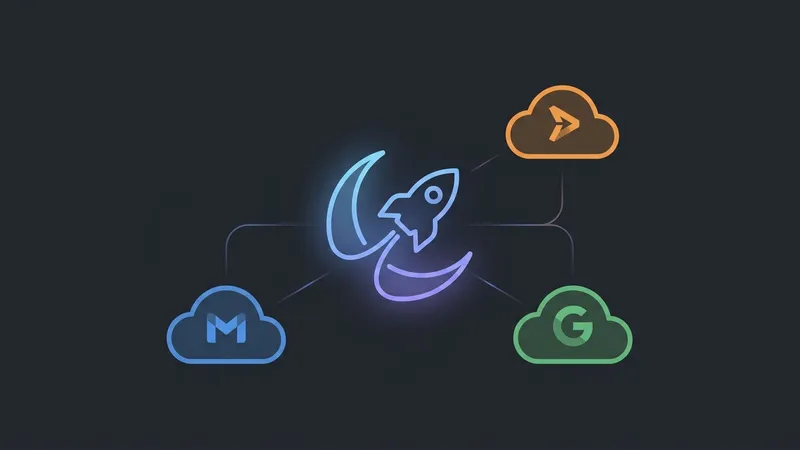
As Large Language Models (LLMs) mature, the battleground for tech giants is shifting from raw compute power to the critical control of "intent distribution rights." In the era of AI Agents, dominating the Agent layer means commanding the ultimate entry points of user intents. Frameworks like the open-source OpenClaw are disrupting the status quo, igniting a global "portal war." Giants like Alibaba and Tencent are rapidly deploying resources to secure their footing in this new ecosystem.
Taking Tencent as an example, the tech giant recently launched its highly optimized AI Skills community for Chinese users, distributing over 180GB of traffic in its first week. The underlying strategy is clear: establishing an "Agent + Skill" ecosystem. Tech giants recognize that the killer app of the future is not just the base model, but the orchestration and distribution of personalized Agents. To fund this pivotal shift, giants are executing a massive "compute hegemony swap," prioritizing AI compute infrastructure to guarantee future dispatching power.
Simultaneously, AI Agents are making a hard but inevitable leap into the physical world. Forward-looking initiatives are translating Agent cognitive planning into physical device actions, feeding experimental data back into the models. This marks a holistic transition from "digital deconstruction" to "physical execution." From gaming world models to groundbreaking medical applications like brain regeneration, AI Agents are restructuring traditional workflows across industries.
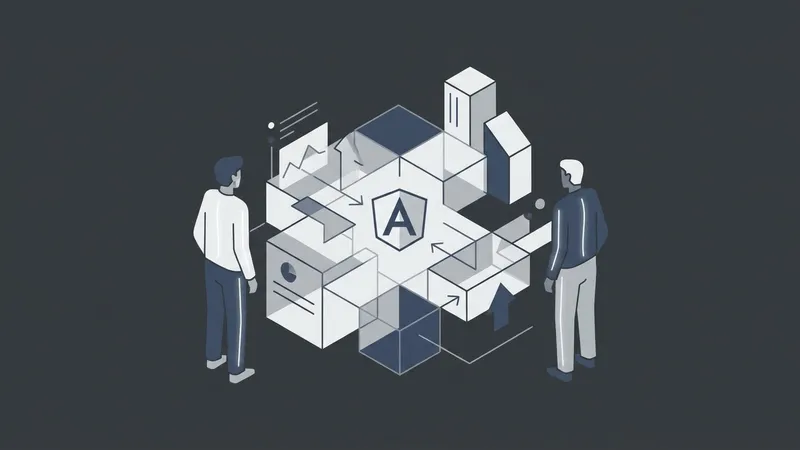
[AgentUpdate Depth Analysis] The race for "Agent distribution rights" signals that the LLM competition has entered its second phase—the orchestration layer. While Western players like OpenAI and Anthropic are standardizing ecosystems via APIs and the Model Context Protocol (#MCP), Chinese giants are leveraging their massive consumer footprints to build lightweight, "WeChat-like" Agent and Skill communities. However, the ultimate promise of Agents lies in seamless cross-application interoperability and physical world integration. Open-source initiatives like OpenClaw act as crucial equalizers, preventing complete monopoly. The future AI Agent ecosystem will likely be a decentralized, highly interconnected network powered by open standards. The winners will not just be those with the biggest models, but those who successfully bridge the digital-physical divide with low-latency, end-to-end execution capabilities.