Tech giant Google is initiating a major structural shake-up of its AI division. Demis Hassabis, the co-founder and CEO of Google DeepMind, will transition his leadership responsibilities to focus on long-term vision and Artificial General Intelligence (AGI) research. This strategic realignment represents Google's most significant organizational shift yet as it scrambles to address the intense competition in generative AI and Agentic AI.
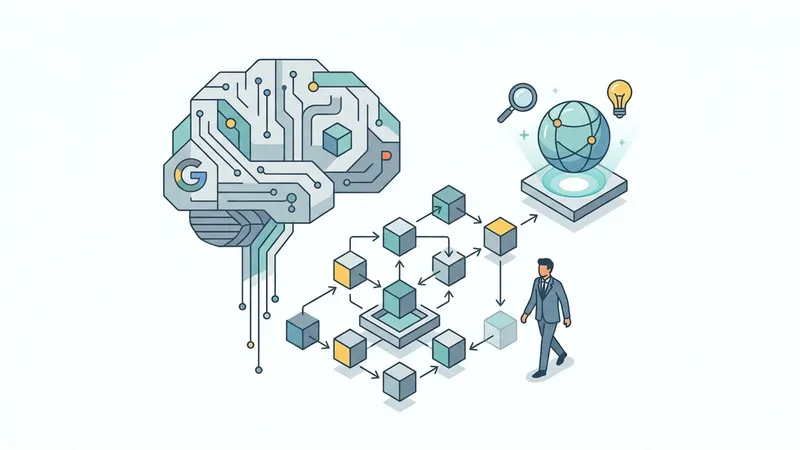
Since the merger of the Google Brain team and #DeepMind in 2023, the unified AI lab has faced immense pressure to commercialize its research. Sources indicate that in order to streamline the pipeline from research to product, Google will consolidate Gemini model development, consumer AI applications, and agentic infrastructure directly into its core engineering and product groups. Hassabis will continue to spearhead scientific AI breakthroughs such as AlphaFold and explore next-generation architectures.
In the current AI landscape, rivals like OpenAI and Anthropic have captured significant developer mindshare and enterprise agent markets through agile iterations. Google's restructuring aims to dismantle the traditional "research lab" silos, ensuring that cutting-edge capabilities directly empower core businesses like Android, Search, and Google Cloud. This signals a definitive transition from an academic-first approach to a product-driven, commercially aggressive era.
[AgentUpdate Depth Analysis] This organizational shake-up at Google reflects a broader paradigm shift across the AI industry, transitioning from foundation model pre-training to pragmatic AI Agent commercialization. In comparison, while OpenAI operates as an aggressive commercial entity and Anthropic dominates enterprise workflows with tools like Computer Use, Google has historically struggled with a "research-versus-product" dichotomy. Hassabis's transition is a clear signal that the era of pure, unmonetized research labs is giving way to high-velocity engineering. For the global AI Agent ecosystem, this consolidation will likely accelerate the production-ready deployment of multi-modal agents like Project Astra. The future winner of the AI race will not just be the one with the largest parameter models, but the one who excels at converting inference compute into reliable, low-cost agentic workflows at scale.