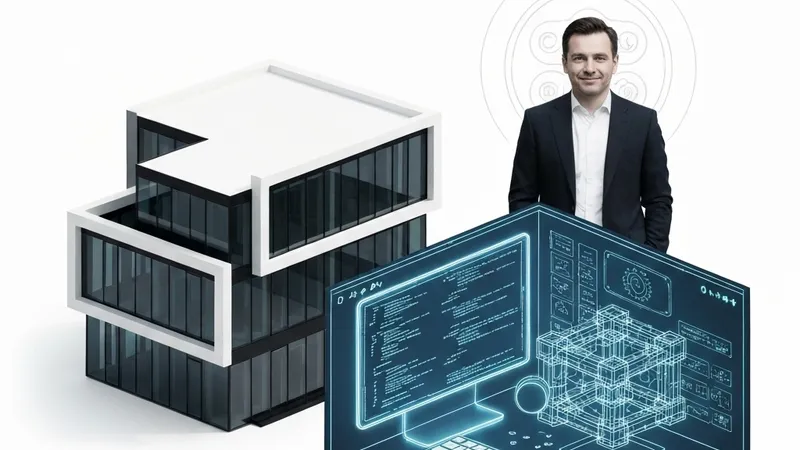
Recently, Horizon Robotics, a pivotal Chinese developer of autonomous driving computation platforms, made its debut on the Hong Kong Stock Exchange, raising $696 million in one of the city's largest technology IPOs this year. Despite a strong initial intraday surge, the stock ultimately fell 2% to close at HK$3.91 on its first trading day. This performance reflects a highly rationalized and cautious sentiment in the secondary market toward high-valuation, capital-intensive AI chipmakers.
Horizon Robotics is widely viewed as a critical domestic challenger to US semiconductor giants like NVIDIA and Intel's Mobileye within China's rapid EV and autonomous driving sectors. Powering vehicles with its proprietary Journey series intelligent computing solutions, Horizon has secured deep joint ventures and supply agreements with top-tier domestic automakers such as BYD, Geely, and Changan. Amid escalating US-China tech tensions and semiconductor export curbs, Horizon's "domestic substitution" edge has made it a darling for strategic state-backed and local industrial funds.
But the IPO prospectus also underscores a common challenge in the deep-tech sector: massive R&D outlays that continue to drive high net losses. Although revenue has surged in recent years, the timeline for achieving net profitability remains uncertain under intense global price wars. Analysts point out that today's secondary market demands more than technological prowess; it requires clear evidence of a self-sustaining financial loop.
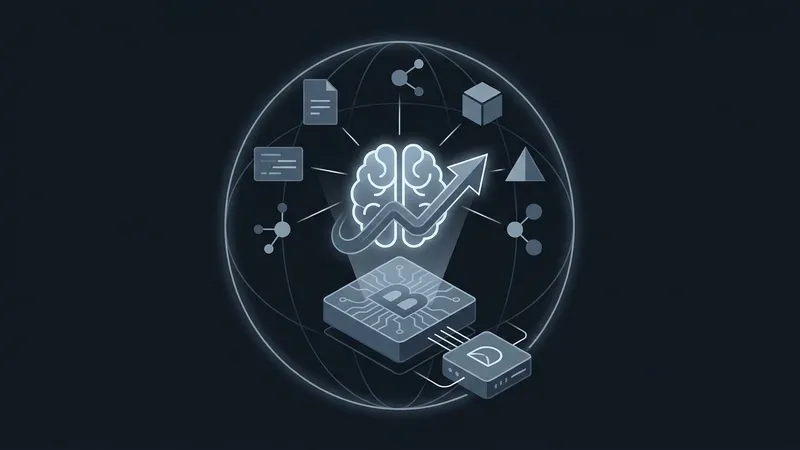
[AgentUpdate Depth Analysis] Horizon Robotics' market debut highlights a critical inflection point for the broader Embodied AI and AI Agent ecosystems. Autonomous driving represents the most complex and scaled deployment of physical AI Agents today. Unlike cloud-based LLMs, automotive and edge-native AI Agents require extreme real-time reasoning, low latency, and strict power efficiency, which must be hard-coded into silicon. As the AI Agent paradigm shifts from virtual assistants to edge-native devices and robotics, hardware-software co-design will become the primary competitive moat. While Horizon faces short-term financial headwinds, its underlying architecture provides the crucial compute substrate for next-generation Edge Agents. The future of the Agent ecosystem lies not just in high-level software frameworks, but in the seamless integration of localized agentic reasoning with specialized silicon platforms, reshaping how we think about compute economics in the AI era.