In the age of AI, transcription has become a surprisingly powerful utility. While many #meeting assistants promise to streamline productivity, most come with steep monthly fees and significant #privacy concerns. Meetily changes the game by offering a free, open-source alternative that runs locally on your machine, eliminating the need to upload sensitive audio to the cloud.
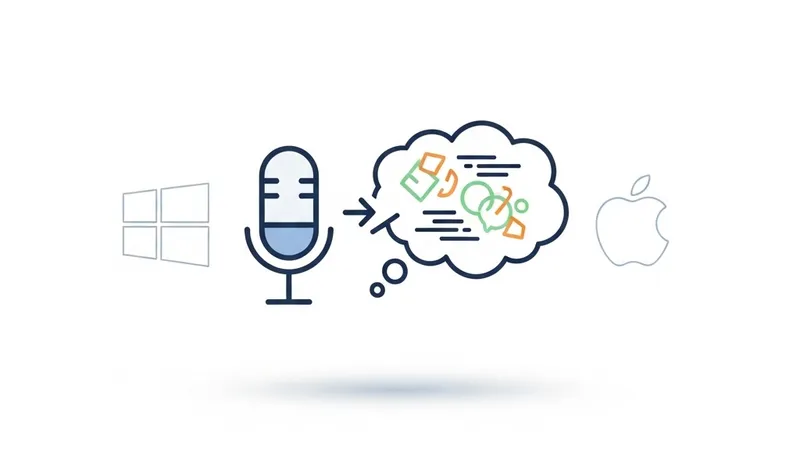
Built for Windows and macOS, the tool is available via GitHub and handles the configuration of its own AI models upon installation. Because it hooks directly into your microphone and system audio, it is completely platform-agnostic—working seamlessly with Zoom, Google Meet, Microsoft Teams, or any other conferencing software. It can even capture in-person conversations if your microphone quality permits.
The workflow is simple: the transcription appears in near real-time, and once the meeting concludes, the AI provides a structured summary based on your specific prompts. A beta feature also allows for batch processing of existing audio and video files. While AI-generated summaries should always be reviewed, Meetily provides a robust foundation for minutes without the recurring costs or security trade-offs of commercial competitors.
[AgentUpdate Depth Analysis] The emergence of Meetily signals a pivotal shift toward decentralized and privacy-first AI agents. Unlike SaaS-heavy competitors like Otter.ai, which rely on centralized API processing, Meetily leverages the power of local open-source models to achieve parity with enterprise tools. This reflects a broader trend in the AI #Agent ecosystem: moving from "cloud-only" intelligence toward edge-native, specialized agents that reside directly on user devices. By removing the cloud bottleneck, Meetily not only solves a privacy challenge but also sets a blueprint for how independent developers can build "utility-first" agents that don't depend on proprietary infrastructure. Looking ahead, as SLMs (Small Language Models) become increasingly efficient, we expect such tools to evolve from passive recorders into active agents capable of cross-app orchestration. The future of productivity lies in these locally-governed agents that act as a personal layer between the user and their digital workflow, prioritizing data sovereignty and low-latency interaction over mere feature bloat.