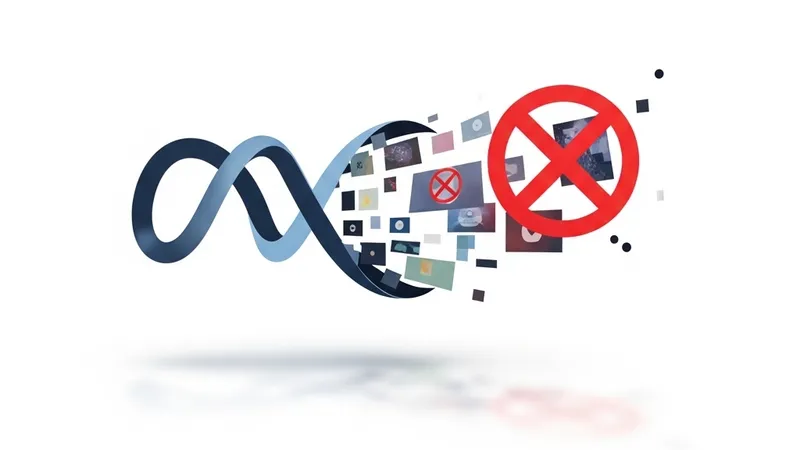
Social media giant Meta has abruptly disabled a highly controversial AI image generation feature. The feature previously allowed users to generate customized AI images by @mentioning public Instagram accounts, directly utilizing those accounts' public photos and media as training or reference material.
Upon launch, the feature was configured as enabled by default, meaning public users' likenesses were utilized without explicit consent. This triggered intense backlash, notably from organizations like SAG-AFTRA, who raised severe concerns regarding likeness infringement, identity theft, and deepfake-related criminal risks.
In response to the growing outcry, #Meta officially pulled the feature, admitting that it "did not perform as expected." This setback highlights the ongoing tension between rapid generative AI deployment and consumer privacy rights within major tech ecosystems.
[AgentUpdate Depth Analysis] Meta's abrupt rollback of this @mention AI feature exposes a fundamental ethical bottleneck in the evolution of AI Agents and generative systems. As AI Agents transition to highly personalized assistants, they increasingly require access to multi-modal personal data. Meta's "opt-out" approach represents a legacy mindset that clashes with modern privacy-first standards, such as those pioneered by Anthropic's agentic framework. For the AI Agent ecosystem to scale sustainably, developers must establish robust "consent-by-default" structures and decentralized data ownership. Trust is the ultimate currency; without transparent, dynamic user authorization, advanced agentic interactions will inevitably collide with regulatory and societal roadblocks.