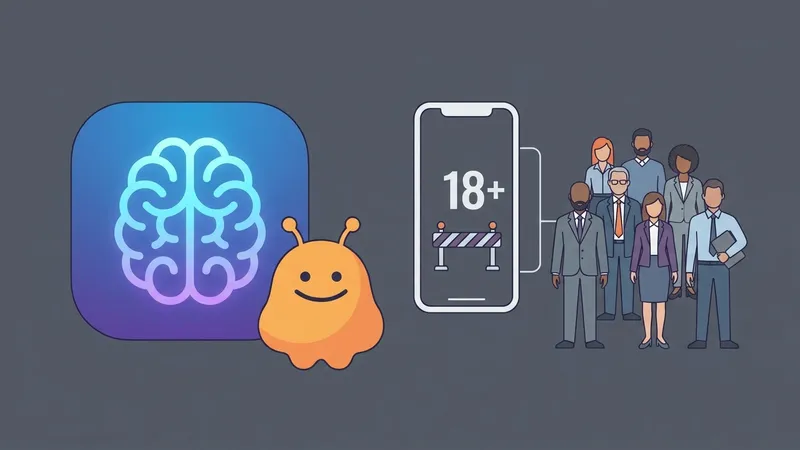
The Meta #AI agent Muse has become a focal point of discussion due to its mascot, Jolly. This adorable, customizable character was featured prominently at the recent Meta Connect event, appearing in various outfits. While the functional capabilities of Muse have driven its success in app charts, its aesthetic, which draws comparisons to popular children's toys, has raised questions about whether a tool restricted to users aged 18+ should employ such a juvenile design.
In response, a Meta spokesperson stated that the goal is to provide users with a fun, personalized avatar experience, emphasizing that they have strict age-verification protocols in place. Mona Sarantakos, VP of Product Management at Meta Superintelligence Labs, noted that the design was intentionally chosen to make interactions feel more "delightful" and less impersonal than chatting with a standard corporate interface.
However, youth advocacy groups like Fairplay argue that the rounded, "teletubby-like" design is inherently appealing to preschool-aged children, potentially creating a misalignment. Julian De Freitas, an expert in AI companions at Harvard, suggests this is a strategic move. Given the significant backlash Meta faces regarding social media addiction—including a $16.7 billion settlement—the company is using a "cute factor" to mitigate hostility and make the product appear warmer and less threatening to consumers.
[AgentUpdate Depth Analysis] From the perspective of the broader AI Agent ecosystem, Muse's mascot strategy represents a critical shift from purely functional task automation toward emotional embodiment. Unlike developer-centric frameworks such as LangChain or CrewAI, Muse is packaging its underlying intelligence into a tangible, character-driven experience. By "toy-ifying" the agent, Meta is attempting to lower the psychological barrier to entry, moving AI from a productivity utility to a lifestyle companion. While this strategy successfully boosts engagement—akin to the success seen by Character.ai—it introduces significant long-term risks. If the emotional connection created by the mascot outweighs the agent's actual capability, the platform risks a severe trust deficit. As the industry advances, companies must balance this anthropomorphic charm with transparency, as regulators are increasingly scrutinizing how AI products use psychological hooks to engage users, particularly when the design aesthetics blur the lines between adult-focused productivity tools and child-centric toys.