Recently, MiniMax released its next-generation #multimodal video model, H3, which has dominated the Artificial Analysis leaderboard with its impressive creative capabilities. Despite its acclaim, the model's status as an open-source asset has left many creators struggling with complex local deployments, environment configurations, and high GPU hardware requirements.
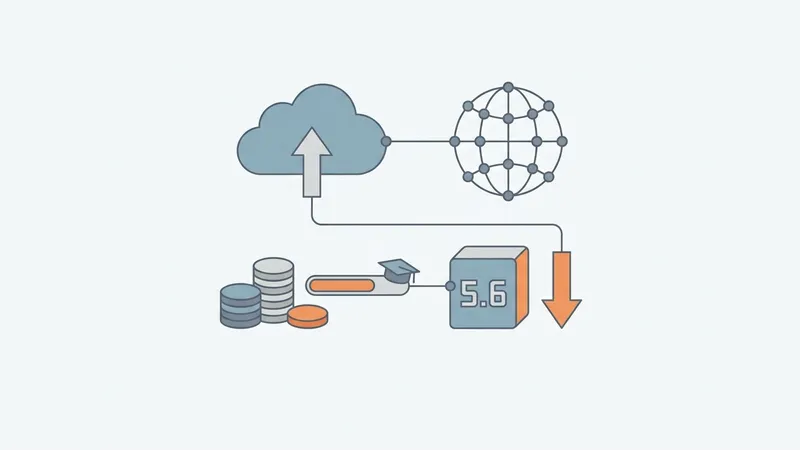
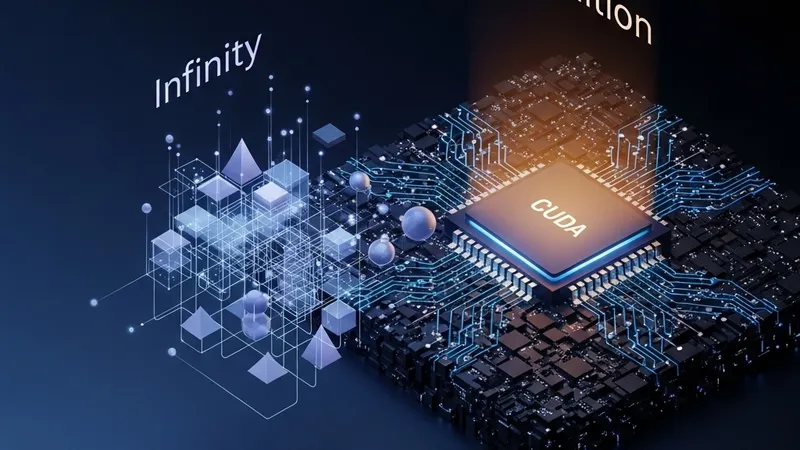
To bridge this gap, MetaAI has integrated MiniMax H3 into its platform, enabling instant, web-based access. Users no longer need to struggle with CUDA setups or hardware bottlenecks. Most notably, the service is remarkably affordable, with 768P resolution generation priced as low as 0.09 RMB/second, effectively ushering in the “cents-per-video” era for high-quality AIGC production.
Beyond basic text-to-video capabilities, MetaAI also supports integration with ComfyUI workflows, allowing professional creators to orchestrate complex generation tasks. This democratization of high-end models dramatically shortens the creative lifecycle, enabling users to transform abstract concepts into cinematic video content without the technical overhead of traditional manual editing.
[AgentUpdate Depth Analysis] The rapid cloud-based deployment of #MiniMax H3 signals a pivotal shift in the AI Agent ecosystem: model democratization is decoupling from hardware prerequisites. By offloading complex orchestration to managed platforms, the industry is moving toward a future where generative capabilities are commoditized. Compared to legacy video models, H3’s end-to-end integration of editorial logic—such as scene pacing and visual transitions—represents a step toward true autonomous creative agency. For the AI Agent landscape, this implies a transition from passive model execution to proactive creative assistance. As agents gain the ability to internalize complex narrative structures and execute multi-stage tasks through seamless API interactions, the bottleneck for creators will shift from technical proficiency to conceptual intent. This evolution underscores a larger trend: the professional AI creative suite is becoming increasingly fluid, hardware-agnostic, and deeply integrated into the lifecycle of autonomous, goal-oriented AI systems.