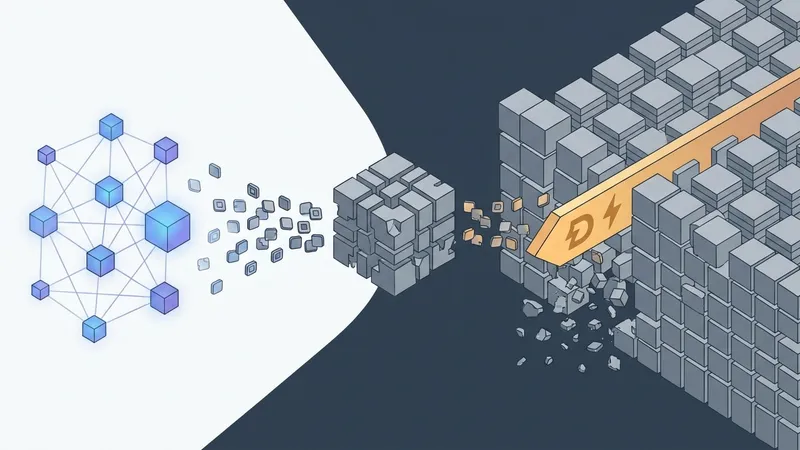
In recent years, Generative AI has dramatically reshaped personal work habits, serving as a powerful co-pilot for tasks like drafting emails, analyzing data, and generating slides. However, according to a 2025 report by MIT NANDA, despite billions of dollars invested in AI, only about 5% of these tools have truly integrated into core enterprise workflows. Most gains remain isolated at the individual level, failing to drive organizational evolution.
To bridge this gap, Alibaba has officially launched the public beta for QwenWork (千问办公), its next-generation enterprise Agent platform. Currently accessible via web and standalone PC clients, with #DingTalk integration coming soon, #QwenWork is powered by Alibaba's latest flagship model, Qwen 3.8-Max. Rather than a simple chatbot, QwenWork serves as an Agent workstation designed to authorize, manage, share, and track AI processes across organizations.
During hands-on testing, QwenWork demonstrated full-stack execution, such as generating and deploying live websites from a single prompt. Instead of merely outputting raw code, the Agent writes copy, generates visual assets, hooks up databases, and deploys the page in the cloud—delivering a live, functional URL. This seamless execution significantly lowers the barrier for non-technical teams to validate product concepts.
Additionally, QwenWork streamlines multi-modal asset creation—documents, images, videos, and slides—into a unified workflow, eliminating the need to copy-paste context across fragmented tools. The platform offers a tiered pricing structure based on task complexity (Economic, Basic, Advanced, and Qwen3.8-Max), making it highly cost-effective for complex tasks like data cleaning, market research, and courseware generation.
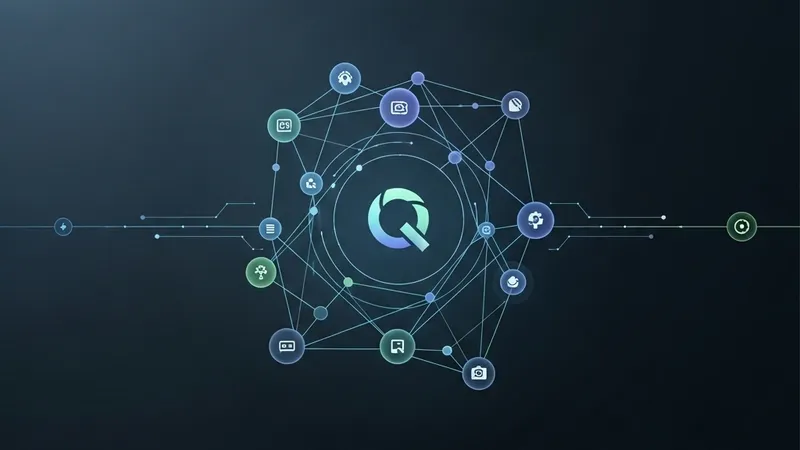
To integrate with enterprise systems, QwenWork introduces Connectors and IM Channels. It already supports platforms like Microsoft 365, Notion, Slack, and Vercel, and is deeply integrated with communication tools like DingTalk and Feishu. With proper enterprise authorization, the Agent can aggregate meeting transcripts, OKRs, and approval tasks into structured weekly reports, or automatically assign to-do items directly within group chats.
[AgentUpdate Depth Analysis] The shift from personal chat interfaces to enterprise-grade Agent workstations represents a critical evolutionary leap for AI in the workplace. By integrating robust connector ecosystems and unified multi-modal workflows, QwenWork successfully tackles the "last-mile" bottlenecks of organizational collaboration. Compared to standalone AI assistants, QwenWork emphasizes the preservation of institutional knowledge and asynchronous, cross-system automation. Its emergence suggests that future enterprise competitiveness will depend not on individual AI literacy, but on how effectively a company translates implicit business processes into reusable, manageable Agent assets. Leveraging DingTalk as a dominant enterprise portal, Alibaba is well-positioned to establish a formidable moat in Model Context Protocol (#MCP) application and workflow automation.