In the realm of space exploration and technology, significant milestones and challenges have emerged. On August 6, NASA astronauts Jessica Meir and Anil Menon conducted the fourth ISS spacewalk of 2026, lasting 6 hours and 27 minutes, primarily to install cables and brackets for a new solar array. However, due to a #telemetry anomaly in the CO2 sensor of Anil Menon's Extravehicular Mobility Unit (EMU), NASA's engineering team has initiated a comprehensive suit assessment, postponing the subsequent spacewalk from August 13 to August 18.
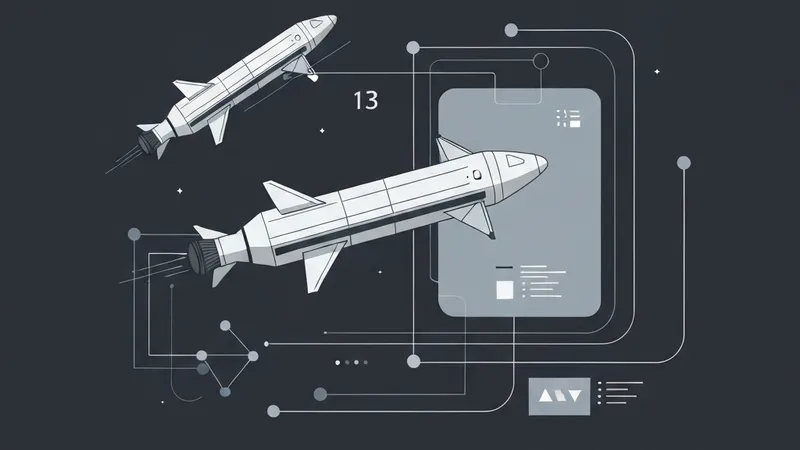
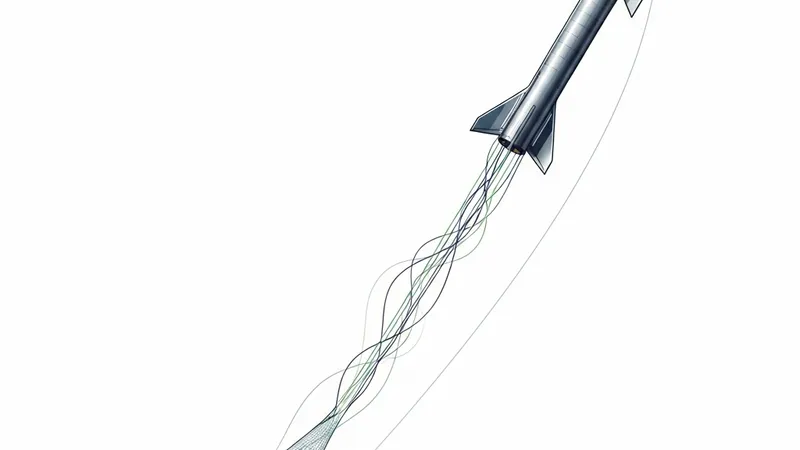
Simultaneously, SpaceX recovery teams are executing operations in the Indian Ocean to retrieve the Starship prototype from its 13th test flight. Although CEO Elon Musk noted that recovery prospects are "not optimistic," the engineering team successfully captured vital telemetry data from the thermal protection system and the new Raptor 3 engines. This 52-meter-tall, 9-meter-wide vessel, clad in 18,000 heat shield tiles, splashed down on July 24 and floated intact—marking it as the best-preserved Starship prototype post-launch to date.
On the geopolitical technology front, secure supply chains are receiving massive fiscal backing. The US government announced a $2 billion investment initiative targeting critical minerals and mining technologies to reduce manufacturing reliance on external supply chains. Reports indicate that in 2025, 78% of the components in the US defense ecosystem—and 92% of naval weapon systems—remained dependent on overseas critical mineral supply chains, highlighting the strategic urgency of this initiative.
Space-based assets also continue to reinforce global weather forecasting infrastructure. Astronauts aboard the ISS captured spectacular high-resolution images of Typhoon Dolphin in the Pacific. With a circulation diameter exceeding 1,000 kilometers and wind speeds reaching 45 m/s, orbital real-time imaging provides meteorologists with vital macroscopic data to optimize forecasting models for extreme weather events.
[AgentUpdate Depth Analysis] The technical anomalies and massive telemetry datasets observed in these space missions emphasize the critical role Autonomous AI Agents will play in the future of aerospace and complex hardware systems. Analyzing live diagnostic feeds from spacesuits or tracking 18,000 individual thermal tiles under extreme friction goes beyond human capability. Next-generation Embodied AI diagnostic agents will ingest multimodal sensor streams to perform real-time prognostics and suggest immediate, autonomous mitigations during spacewalks or re-entry phases. Furthermore, mapping geopolitical dependencies in the wake of the $2 billion critical minerals initiative requires sophisticated supply chain agents powered by graph neural networks. AI Agents are rapidly transitioning from digital sandbox companions into the primary orchestrators of complex physical systems, redefining risk management from deep space to global industrial supply networks.