Weeks ago, my team members were engaged in a new round of model training on our enterprise data lake's analytics platform, guided by senior architects and product managers. Watching their close collaboration, I was struck by the uniqueness of this cross-departmental, multi-generational technical effort. My thoughts weren't limited to the current team; I also considered the two preceding generations who laid the foundational architecture. Much like a family's cherished multi-generational vacation spot, our core systems embody the wisdom and effort of past engineers. This feeling transcends mere technological stacking; it’s a reverence for legacy.
Our traditional tech stack, while seemingly "an hour away" from the latest cloud-native or microservices architectures, involves annual investments of millions in maintenance, upgrades, and talent development. To some "innovation-driven" peers, this might appear to be a waste of resources. However, my intuition tells me that this seemingly "conservative" choice offers value far beyond its book cost. It's not just code and databases; it represents years of accumulated business logic, team synergy, and the assurance of low-risk, stable operations.
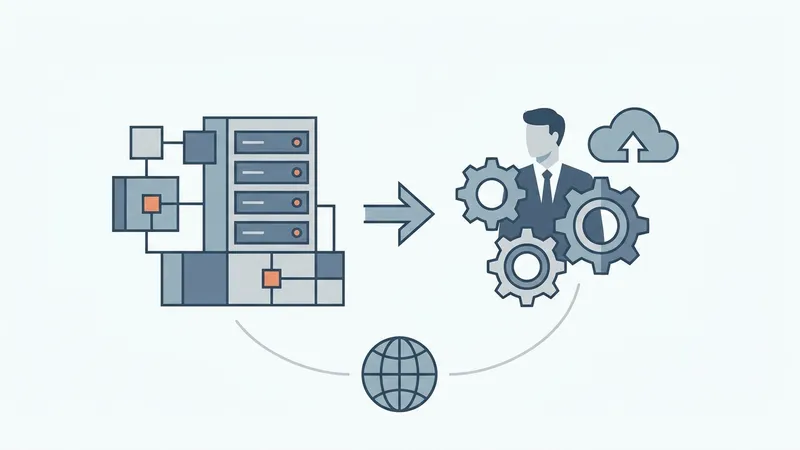
[AgentUpdate Depth Analysis] In the current wave of AI Agents, the steadfastness towards "traditional" or legacy tech stacks is gaining a new interpretation. While frameworks like LangChain and CrewAI emerge to empower autonomous agents for complex tasks, these agents ultimately need to interact with underlying data infrastructures and business systems. Here, a mature, stable, and multi-generationally validated enterprise tech stack ironically becomes a solid foundation for efficient AI Agent operations. Compared to building from scratch or frequently switching nascent, unstable technologies, this "conservatism" provides system stability, data consistency, and existing team proficiency, significantly lowering the barrier and risk of AI Agent integration. It’s no longer an impediment to innovation but a "highway" ensuring agents can reliably and securely delve into core business processes. The true power of future #AI Agents will lie in their seamless interoperability with complex legacy systems, transforming well-established #tech stacks into value amplifiers for the next generation of intelligent systems.