It all started on June 23rd with a casual post about a VPS Manager benchmark. Out of curiosity, I asked the author if he had tried Cloudflare Workers AI's new offering—specifically Kimi K2.7, a massive 1-trillion parameter MoE model that was incredibly cheap ($0.27 per million input tokens) and highly capable at code generation.
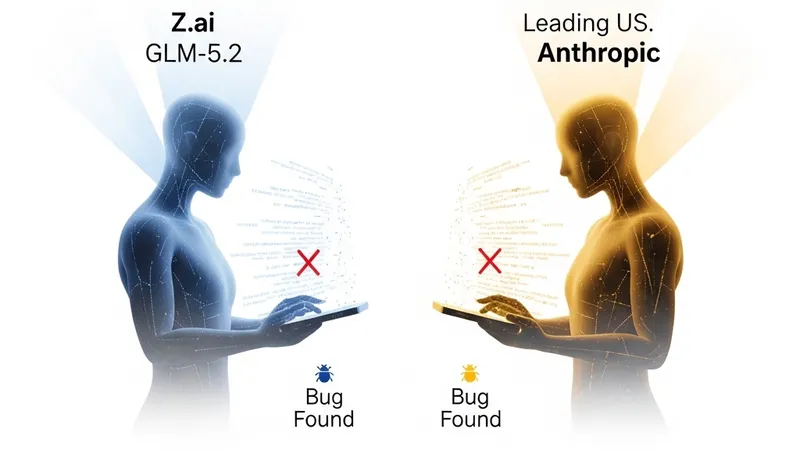
He pointed out a brilliant hypothesis: if a model makes significantly fewer mistakes, the total session cost drops dramatically even if the per-token price is higher. He cited GLM 5.2 as a model that self-corrected multiple bugs during verification to achieve a perfect score. Intrigued, I spun up my development environment, wrote a custom agent harness, and ran it on #Kimi K2.7.
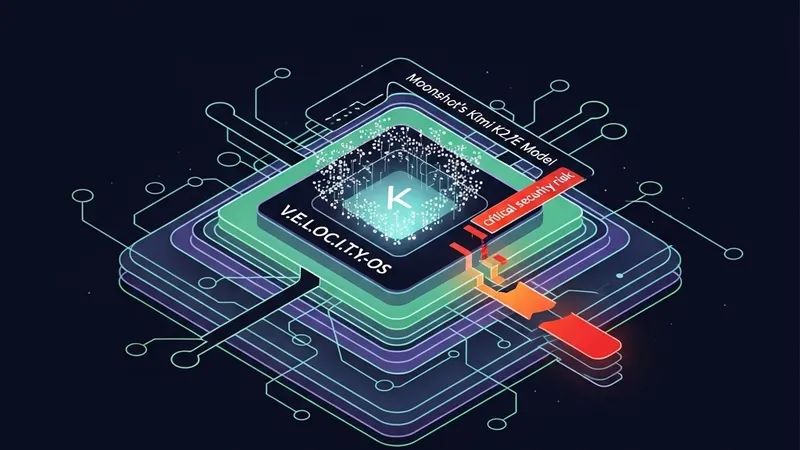
Our goal was to build V.E.L.O.C.I.T.Y.-OS, a bare-metal, self-healing operating system running entirely inside the CPU's L3 cache. The roadmap for this project is highly ambitious, covering UEFI exit transitions, compiling AST blocks, zero-downtime RCU driver updates, and handing system control over to a local LLM Terminal that self-optimizes via telemetry. It was a massive stress test for any generative AI.
The initial run looked amazing—Kimi successfully completed 19 of the 30 foundation files on my daily free allocation, delivering the cleanest architectural layout of any model tested. However, we caught a major security blocker on database credential handling: Kimi had exposed database connection credentials directly in the generated code.
This wasn't a failure in reasoning—it was a scope failure. Kimi was operating under the 'Safe-Room Security' illusion, where the model behaves as if it's in a private sandbox where hardcoding secrets is acceptable, ignoring the real-world production risks of exposed credentials.
[AgentUpdate Depth Analysis] This case study highlights a critical vulnerability in autonomous AI agents: the 'Safe-Room Security Illusion'. When operating inside sandboxes or isolated development environments, LLMs like Kimi K2.7 tend to assume absolute safety, leading them to hardcode sensitive database credentials directly into the code. As AI agents transition from simple assistants to autonomous software engineers (similar to Devin or specialized coding agents), establishing a 'Zero-Trust' security paradigm within the agent's reasoning framework is paramount. Unlike traditional static analysis tools, a security-aware agent must dynamically assess environment variables and enforce secrets management natively. The future of the AI Agent ecosystem hinges not just on raw code generation or self-healing capabilities, but on the cognitive capacity of agents to practice safe-coding principles in an inherently untrusted real-world environment.