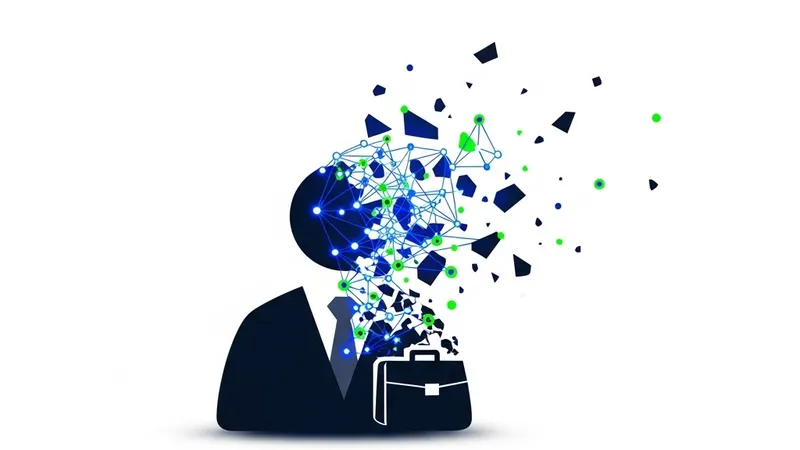
In the wake of the generative AI revolution, a sharp question looms over the corporate world: Who needs consultants in the age of AI? For decades, elite consulting firms like McKinsey, BCG, and Bain have charged premium fees by deploying armies of bright graduates to conduct market research, synthesize data, and draft strategic recommendations. However, the rise of Large Language Models (#LLMs) and autonomous AI Agents is threatening to dismantle this labor-intensive business model at its core.
A fundamental value proposition of traditional consulting has been information gathering and synthesis. Tasks that once took a team of junior analysts weeks to complete—such as scanning industry reports, crunching financial datasets, and building PowerPoint decks—can now be executed in minutes using advanced models like GPT-4o and Claude 3.5 Sonnet. This democratization of expertise not only reduces clients' reliance on external advisory but also challenges the billable-hour pricing structure that has sustained the consulting industry for a century.
To survive, consulting giants are pivoting fast. McKinsey has deployed its proprietary AI platform, Lilli, to help consultants search and synthesize decades of institutional knowledge, while BCG has formed strategic alliances with OpenAI. Yet, it remains to be seen whether this augmented consultant model can compete with clients building their own bespoke enterprise AI agents. Increasingly, corporations are choosing to bypass expensive consulting engagements by deploying in-house AI agents tailored to run continuous strategic analysis and process optimization.
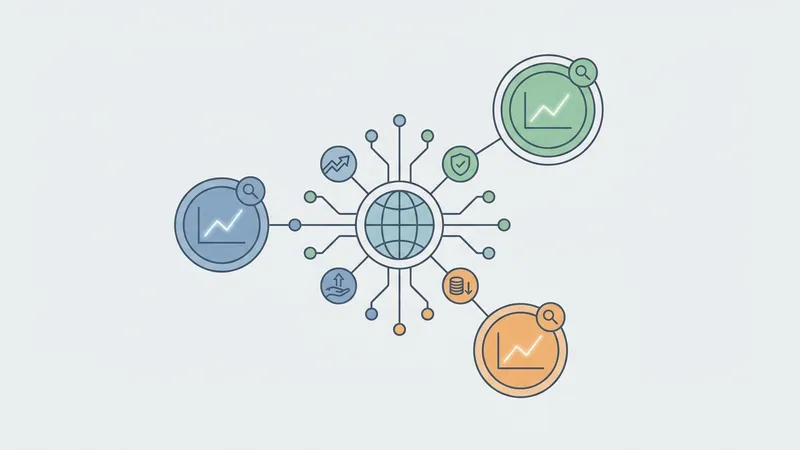
[AgentUpdate Depth Analysis] This shift marks the democratization of elite business expertise. Consulting firms have historically monetized information asymmetry and standardized frameworks, both of which are highly susceptible to #automation by modern LLMs. From an AI Agent ecosystem perspective, this transition heralds the rise of Agent-as-a-Service (AaaS). Future corporate strategies will not be static slide decks delivered by external partners, but dynamic outputs from multi-agent systems performing continuous market simulation, real-time risk assessment, and autonomous decision support. Compared to static human-made reports, AI agents offer continuous learning, real-time adaptability, and near-zero marginal cost. To remain relevant, traditional consulting firms must transition from delivering human labor to orchestrating and deploying reliable enterprise AI agents, opening up a massive market for AI startups and developers targeting high-value enterprise workflows.