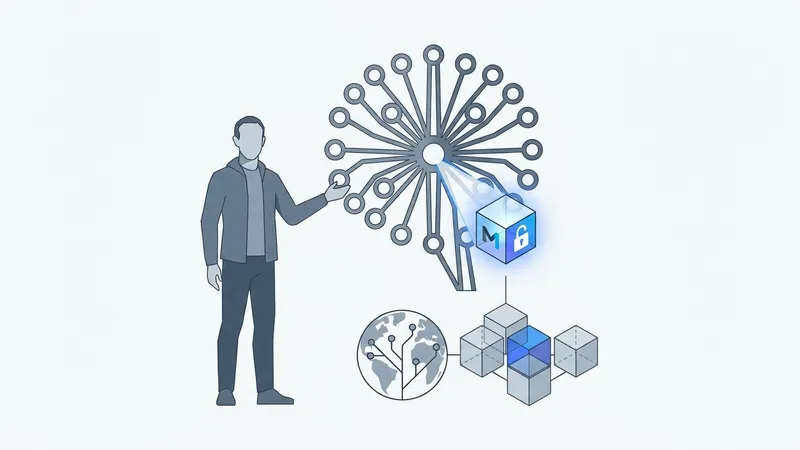
On Monday, Mark Zuckerberg published a 6,500-word essay, "The Future Is for Everyone," alongside a rare release: a new Meta #open-weight model. An open-weight model allows you to download the entire neural network and run it locally—with or without internet access—completely secure from external shutdowns. This stands in stark contrast to "rented" proprietary tools like ChatGPT, Gemini, or Claude.
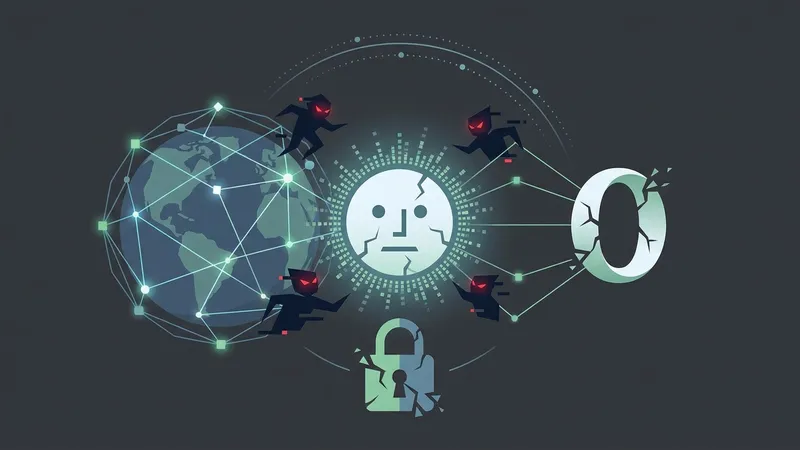
This major move arrives amidst intense global competition. Beneath geopolitical friction and founder rivalries lies a deeper conflict between two forms of power: a government that can command technology offline, and a corporation that can instantly terminate your account. We are not just spectators in this battle; we are the ultimate prize, negotiating a future where we lease intelligence we can never truly own.
Before committing to a proprietary lease, we must ask three critical questions. First: "Can I be evicted?" In 2009, Amazon deleted purchased copies of "1984" from users' Kindles overnight. More recently, on June 12, the US government forced Anthropic's newly launched flagship model offline just days after its release. Conversely, running open-weight models locally, such as GLM 5.2, ensures no external entity can access your server to delete them.
Second: "Can you take it with you?" Zuckerberg introduces a fully private, WhatsApp-style encrypted mode. Yet, if your agent stores your health data and deepest thoughts, those diaries are still hosted in someone else's infrastructure. Third: "Who keeps the lights on when the landlord loses interest?" Open-source models emerge as the only guarantee for long-term viability.
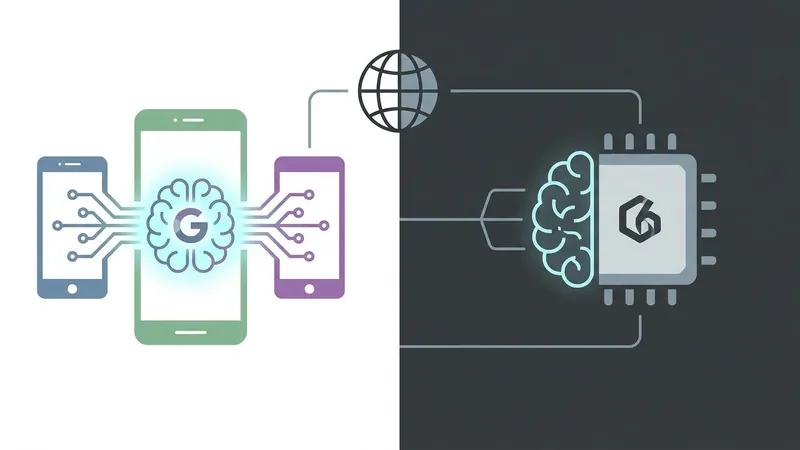
[AgentUpdate Depth Analysis] At the heart of this ownership debate lies the future of the AI Agent ecosystem. Currently, most advanced agents rely heavily on closed-source cloud APIs, exposing developers to sudden service disruptions and compliance risks while sacrificing user #privacy. #Meta's commitment to open-weight architectures offers a critical alternative, serving as the foundational infrastructure for sovereign local agents. As small language models (SLMs) grow more capable, agents running entirely on local hardware will become the gold standard for user trust, security, and true autonomous execution. Ultimately, the future paradigm of the agent economy will shift from renting centralized intelligence to owning private, persistent, and un-evictable cognitive companions.