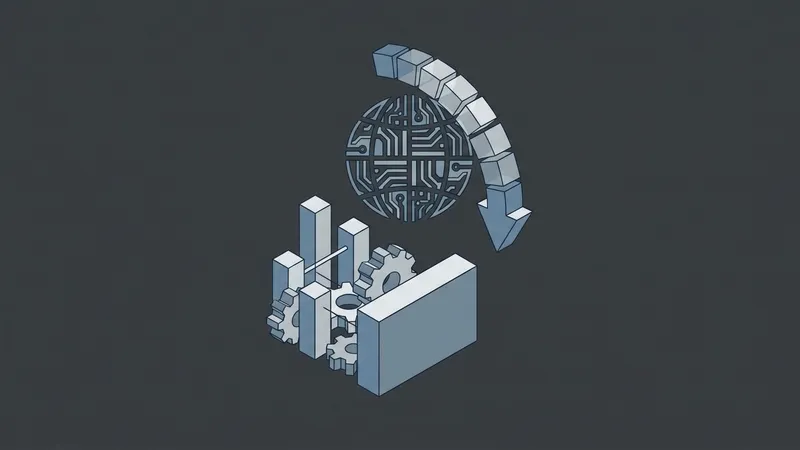
In the golden age of artificial intelligence, Silicon Valley is deeply invested in a narrative known as 'AI abundance'. Proponents argue that as model scaling continues exponentially, cognitive power will become as cheap and limitless as air. However, physical realities are quickly closing in, shattering this illusion. From power grid bottlenecks to the looming depletion of high-quality training data, the physical limitations of AI are becoming impossible to ignore.
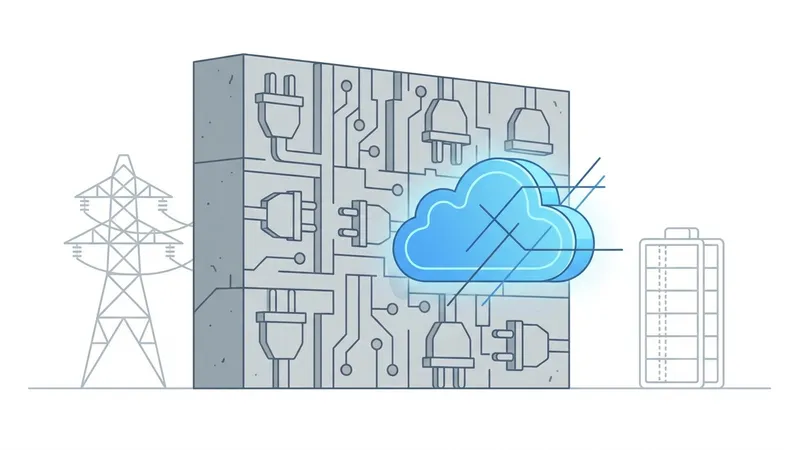
First and foremost, energy constraints have emerged as the primary bottleneck for large-scale model training and deployment. Operating state-of-the-art AI clusters now demands gigawatts of electricity, prompting giants like Microsoft and Google to secure nuclear energy contracts. Meanwhile, NVIDIA’s high-performance GPUs face severe supply chain and power delivery challenges. Furthermore, the industry is rapidly approaching the 'Data Wall', with studies predicting that high-quality, human-generated web data could be exhausted within the decade, while synthetic data alternatives risk causing model collapse.
Moreover, the tension between massive Capital Expenditures (CapEx) and actual return on investment (ROI) is intensifying. Wall Street is increasingly skeptical of the hundreds of billions poured into AI infrastructure. This economic reality is forcing a pivot away from trillion-parameter brute-force models towards highly efficient, task-specific, and edge-deployed AI Agents.
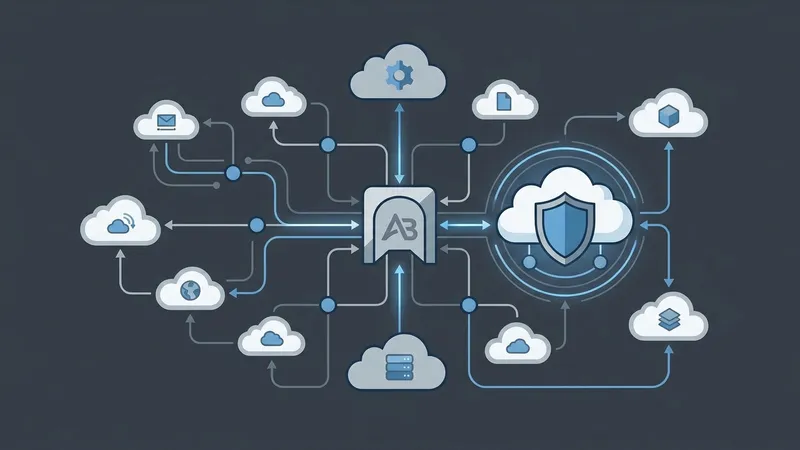
[AgentUpdate Depth Analysis] The popping of the 'AI abundance' bubble is actually a massive catalyst for the maturity of the AI Agent ecosystem. Historically, the industry relied on brute-force scaling, hoping giant centralized LLMs would solve every problem. Under severe energy and compute constraints, this centralized 'superbrain' approach is commercially non-viable. The future of AI Agents lies in hybrid architectures. By utilizing standards like the Model Context Protocol (#MCP), agents can dynamically route tasks between hyper-efficient local models and heavy cloud models. This hierarchical approach—where a lightweight 'cerebellum' handles execution and a central 'cerebrum' manages complex planning—can slash operational costs by over 80%. It shifts the focus of agent frameworks like #LangChain and #CrewAI from mere prompt chaining to sophisticated resource orchestration, ensuring sustainable scalability.