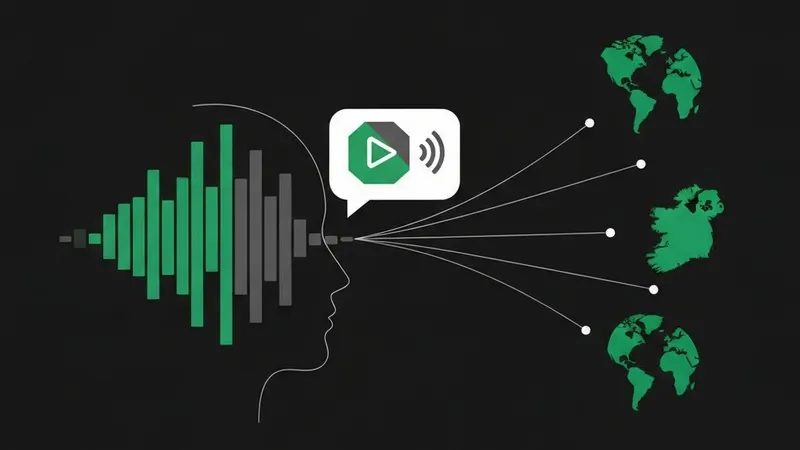
DeepMind CEO Demis Hassabis has proposed the creation of an independent standards body modeled after the Financial Industry Regulatory Authority (FINRA) to oversee the release of frontier AI models. The initiative aims to standardize safety testing and best practices for the next generation of AI systems.
Under the proposal, Frontier Labs would initially share models for review 30 days prior to release. Once the assessment protocols are validated, they would become a formal requirement for market deployment in the US. This system is intended to replace the ad-hoc, often criticized, government reviews of models like Anthropic’s Mythos or OpenAI’s Sol, addressing concerns regarding lack of technical expertise and opaque decision-making.
Despite pushback from figures like White House AI advisor Sriram Krishnan of a16z, who dismissed the idea of an "FDA for AI," Hassabis argues that a self-regulatory model funded by the industry but operated by independent experts could balance safety with innovation. The regulator would leverage technical experts and open-source contributors to ensure it stays current with the industry's rapid acceleration.
[AgentUpdate Depth Analysis] The proposal from Demis Hassabis signifies a pivotal shift in AI governance, transitioning from reactive government intervention toward a proactive, industry-led standardized framework. For the burgeoning AI Agent ecosystem, this is a critical development. As Agents move from simple prompt-based interactions to autonomous execution of high-stakes tasks, existing alignment benchmarks prove insufficient for managing systemic risk. A FINRA-style independent body could establish essential safety protocols—akin to automotive safety ratings—that act as a prerequisite for Agent deployment. Long-term, this will likely force a standardization in how Agentic workflows handle security, error recovery, and cross-platform communication. While this might impose compliance hurdles for smaller players, it ultimately provides the institutional trust necessary for AI Agents to integrate into enterprise-grade environments. By fostering a culture of measurable risk mitigation, this framework could act as the foundational stabilizer required for the maturity of the global AI Agent marketplace.