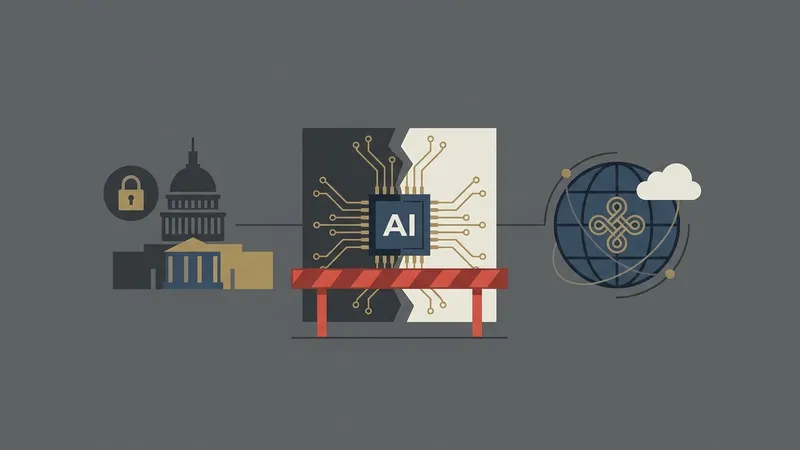
US Treasury Secretary Scott Bessent announced that the government will examine #open-source models from China for signs of intellectual property theft, threatening #sanctions against Chinese AI firms if IP theft is established. Bessent emphasized that while the administration supports open source, it opposes IP theft, stating that the US has the ability to sanction overseas models that copy from American firms.
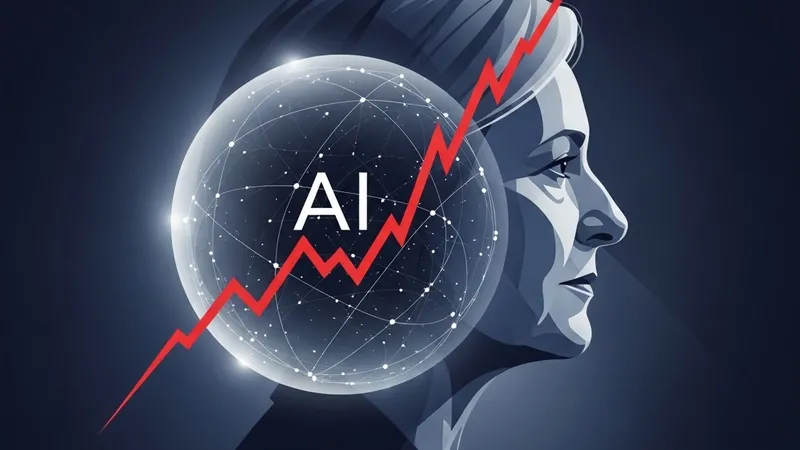
This development comes as Chinese models—most recently Moonshot AI’s Kimi K3—gain rapid capabilities, posing a potential threat to the business models of top American AI labs like OpenAI and Anthropic. Recent reports suggest that the Trump administration is even considering a wholesale ban on Chinese open-source models, indicating a significant escalation in technological competition.
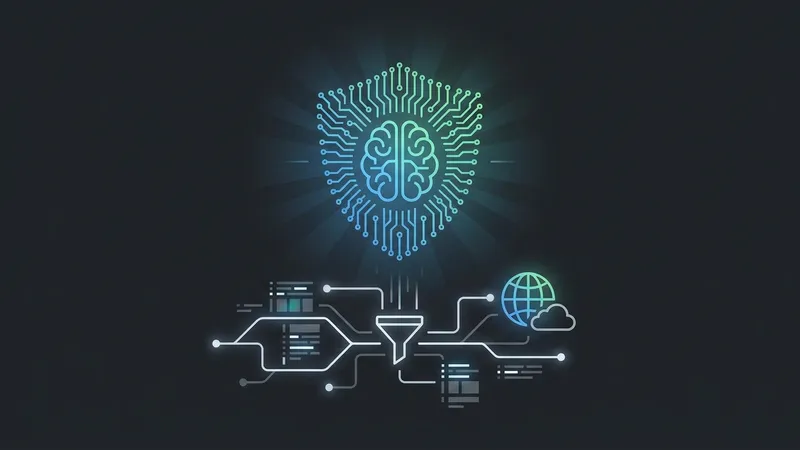
The conflict centers on model distillation, a technique that transfers a larger model's capabilities to a smaller, more efficient system. However, industry opinions differ on whether this constitutes theft. Microsoft CEO Satya Nadella criticized frontier labs, finding it ironic that companies rely on "fair use" to train on public data while simultaneously imposing restrictive terms to block #distillation.
Moreover, legal risks plague US labs too. Anthropic was recently cleared to pay authors under a $1.5 billion copyright settlement. Hugging Face CEO Clement Delangue also dismissed the claim that distillation is the sole driver of China's success, noting that distillation is a very small factor and a standard industry practice globally, including within the US.
[AgentUpdate Depth Analysis] The U.S. threat of sanctions targeting open-source AI and model distillation marks a shift from hardware-level constraints to the algorithmic and data layer. For the global AI Agent ecosystem, open-source models and distillation are vital catalysts that lower barrier costs and enable lightweight, edge-based Agent deployment. Restricting these practices could lead to a fragmented AI landscape, forcing Chinese labs to build fully sovereign, closed-loop training pipelines. Over-regulating distillation will ultimately increase the development costs of domain-specific Agents and hinder interoperability. True progress in autonomous Agents relies on open collaboration rather than digital protectionism, and aggressive IP containment might paradoxically accelerate competitor self-reliance.